
Move with Confidence, Deliver with Protection
Cargo Insurance provides financial protection for goods and merchandise during transportation by road, rail, air, or sea. It helps safeguard cargo against covered risks such as accidental damage, theft, loss, fire, and other unforeseen events during transit. With suitable coverage, businesses can minimize financial losses and maintain greater confidence throughout their supply chain and transportation operations.
Fill the Form to financial protection for industrial premises, buildings, raw materials, and other business assets against various covered risks.
Cargo Insurance and Its Benefits
Cargo Insurance provides financial protection for goods and merchandise while they are being transported by road, rail, air, or sea. It helps businesses manage the financial impact of unexpected events such as accidents, theft, fire, natural disasters, and other covered risks during transit. Whether goods are transported domestically or internationally, suitable cargo insurance can help businesses protect the value of their shipments and maintain greater financial stability.
- Protection During Transit
Covers eligible losses or damage to goods while they are being transported from one location to another. - Financial Security
Helps reduce the financial burden arising from unexpected damage, loss, or theft of cargo. - Coverage Against Multiple Risks
Depending on the policy, protection may be available against accidents, fire, theft, natural calamities, and other specified risks. - Protection for Domestic & International Shipments
Cargo insurance can provide suitable coverage for goods transported within India as well as across international borders. - Safeguards Business Interests
Protecting the value of shipments helps businesses minimize financial disruptions caused by unexpected transit losses. - Flexible Coverage Options
Businesses can select coverage based on the type of goods, transportation method, route, shipment value, and specific risk exposure. - Peace of Mind
Insurance provides greater confidence when transporting valuable or important goods over short or long distances. - Supports Business Continuity
Financial protection against covered transit losses can help businesses recover more efficiently and continue their operations.
What types of Cargo Insurance are available?
Understanding the purpose of cargo insurance is important for businesses, as it provides protection against potential financial losses during the transportation of goods. The two primary types of marine cargo transit insurance policies are:
A Simple Guide to Cargo Insurance
Cargo Insurance is designed to protect goods against financial losses that may occur during transportation by road, rail, air, or sea. It provides businesses with greater confidence when moving valuable shipments by offering coverage for specified risks such as accidental damage, theft, fire, loss, or other unforeseen events. Choosing the right cargo insurance involves understanding the type and value of goods, transportation method, route, potential risks, and required coverage. With suitable protection in place, businesses can manage transit-related risks more effectively and safeguard their financial interests.
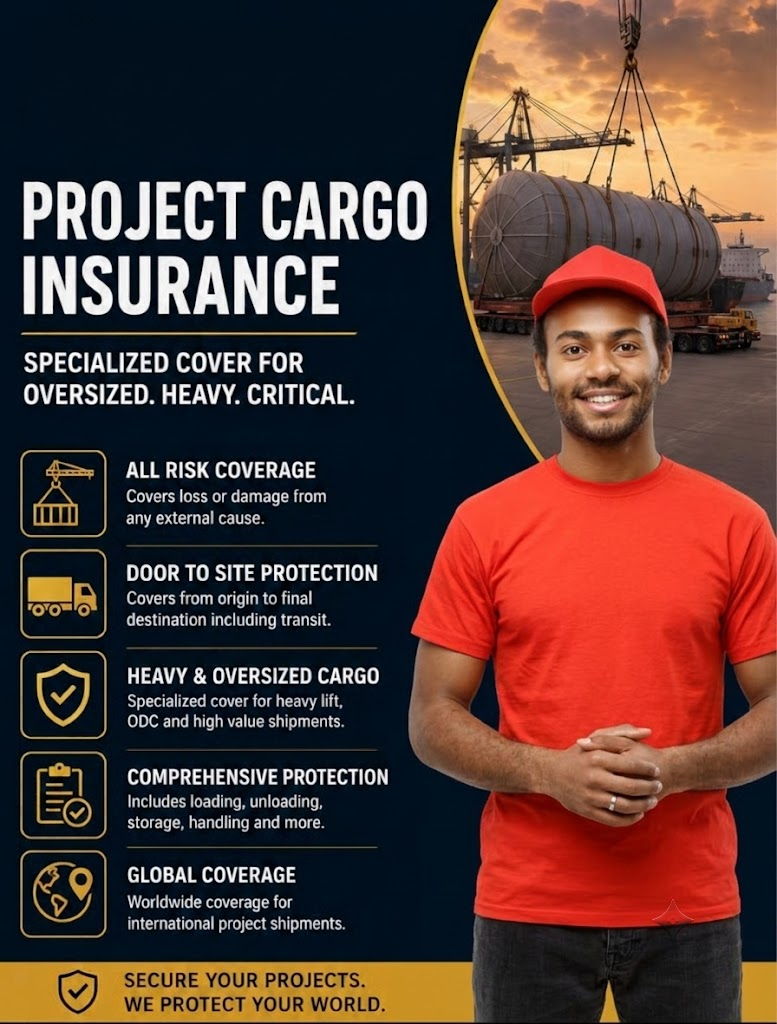
Asset & Balance Sheet Security – Shields companies from the bottom-line fallout caused by lost, compromised, or damaged freight.
Regulatory & Financing Readiness – Satisfies strict lending criteria and institutional mandates required for global trade finance and letters of credit.
Proactive Exposure Control – Mitigates operational vulnerabilities inherent in complex, cross-border, multimodal logistics networks.
Client Trust & Brand Loyalty – Reinforces customer confidence by demonstrating an active commitment to product integrity and reliable delivery.
Market Differentiation – Gives your business a strategic edge by offering superior, worry-free cargo safeguards that competitors may lack.
Customizable Coverage – Provides adaptable policy terms configured around your specific supply chain hazards, budget, and operational footprint.
Why Choose Cargo Insurance?
In global commerce and multimodal logistics, unforeseen disruptions—from severe transit damage and theft to vessel mishaps and customs delays—pose an immediate threat to your bottom line. Cargo insurance eliminates this vulnerability by replacing standard carrier liability, which often covers only a fraction of an item's true value, with comprehensive financial protection. By safeguarding goods from origin to final destination, tailored cargo coverage not only insures your working capital and satisfies stringent trade financing requirements, but it also fortifies client trust. It transforms supply chain uncertainty into an operational advantage, ensuring that no matter the journey, your business remains resilient, credible, and fully protected against transit risks.
Overcome Limited Carrier Liability
Carriers are legally bound by international conventions (such as Hague-Visby or the Montreal Convention) that cap payouts based on weight or package count rather than actual market value. Cargo insurance bridges this gap by covering the true invoice value of the freight.
Insure Against “General Average” Losses
Under maritime law, if an emergency requires a captain to sacrifice cargo or incur salvage costs to save a vessel, all cargo owners must contribute financially to the loss—even if their own goods arrived undamaged. Marine cargo insurance absorbs these steep liability assessments.
Safeguard Working Capital and Cash Flow
A single lost or compromised high-value consignment can freeze operating liquidity and disrupt balance sheets. Having an active policy ensures swift claims settlement and fast capital recovery, keeping core business operations uninterrupted.
Mitigate Complex Multimodal Transit Risks
Modern freight travels across container ships, freight trains, cargo aircraft, and long-haul trucks, with multiple handoffs at ports and warehouses. Cargo insurance provides end-to-end coverage across the entire logistics chain against rough handling, turbulence, road accidents, and environmental shifts.
Cover Theft, Piracy, and Pilferage
Cargo crime and organized supply chain theft remain significant threats during transit, yard dwell times, and port storage. Standard insurance policies protect against total shipment theft as well as partial carton pilferage.
Satisfy Trade Finance and Bank Compliance
Banks and institutional lenders typically mandate comprehensive marine cargo coverage before releasing trade finance, approving Letters of Credit (LCs), or validating Incoterms contracts (like CIF or CIP).
Maintain Client Trust and Delivery Commitments
When shipments suffer catastrophic damage, insurance enables expedited replacement orders and rapid reshipments without disputing liabilities, preserving your reputation for dependability and customer commitment.
Tailored Policies for Unique Cargo Profiles
Whether shipping perishable food under temperature-controlled cold chains, high-tech electronics, or bulk industrial machinery, cargo policies offer custom clauses (such as Institute Cargo Clauses A, B, or C) designed around specific commodity and lane vulnerabilities.